Case Study | Vodcast: IPP Turns Sustainability into a Driver of Logistics Performance
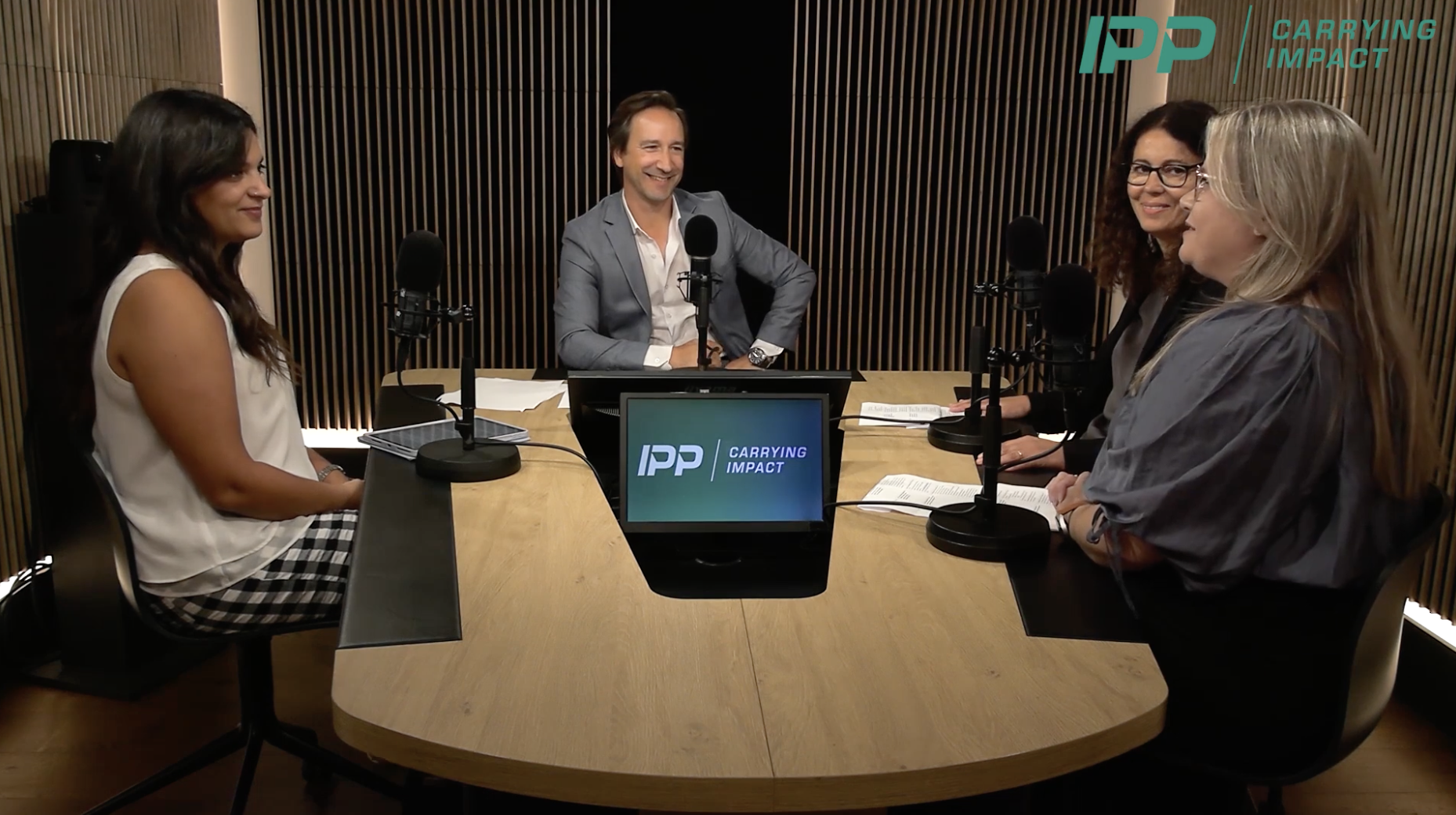
Case Study | How Wepa Supported IPP in Creating a Vodcast Series on Sustainable Supply Chains
Client Overview
IPP is a leading European provider of wooden pallet pooling and rental solutions. Its circular business model is based on pooling, reuse, and logistics optimization, helping industrial companies improve operational performance while reducing their environmental footprint.
Operating across several European countries, IPP supports businesses in the sustainable management of load carriers and actively contributes to the development of more responsible supply chains.
The Context
Today, supply chain stakeholders face several major challenges:
- Reducing CO₂ emissions;
- Complying with new European environmental regulations;
- Optimizing logistics flows;
- Reducing waste;
- Preserving natural resources;
- Meeting growing sustainability expectations from customers and partners.
Against this backdrop, IPP wanted to increase its visibility and showcase its expertise in applying circular economy principles to logistics operations.
The Challenge
The objective was to create content capable of demonstrating how pallet pooling and reuse solutions can help companies address both environmental and economic challenges.
IPP also wanted to give a platform to recognized experts who could provide valuable insights into the transformations currently reshaping the supply chain industry.
The Solution
Wepa designed and produced a series of vodcasts focused on sustainable logistics, the circular economy, and the evolving regulatory landscape facing European businesses.
The series was developed to support IPP’s thought leadership strategy and strengthen its position as a trusted expert among supply chain, logistics, and sustainability decision-makers.
Our Approach
While the final result appears natural and effortless on screen, it is built on extensive preparation behind the scenes.
Wepa supported IPP throughout every stage of the project:
- Analysis of the company's business challenges and communication objectives;
- Identification of the most relevant topics for target audiences;
- Development of a distinctive editorial angle;
- Creation of a tailored script designed to structure the discussion and highlight key messages;
- Preparation meetings with all speakers;
- Professional studio filming;
- Post-production work to ensure premium quality and optimize content distribution across communication channels.
This methodology enabled complex topics to be transformed into accessible, educational, and highly valuable content.
Featured Episode: Circular Economy and Sustainable Supply Chains
One of the first episodes brought together:
- Angeliki Karydi, Sustainability Manager at FABER;
- Erin Quinn, Regulatory Affairs & Sustainability Expert at FABER;
- Nathalie Lardy, Regional Quality & Sustainability Manager at IPP France.
During the discussion, the speakers explored the trends currently transforming European supply chains.
Key topics included:
- Logistics decarbonization;
- Emerging environmental regulations;
- Waste reduction challenges;
- Logistics flow optimization;
- The role of the circular economy in business performance;
- The benefits of pallet pooling and reuse models.
The vodcast highlights how pooling and reuse solutions can help organizations build more resilient, efficient, and sustainable supply chains.
Results
Through this vodcast series, IPP now benefits from expert content that enables the company to:
- Strengthen its positioning in sustainable supply chain topics;
- Promote the advantages of its circular economy model;
- Support its communications and public relations strategy;
- Increase visibility among decision-makers and industry influencers;
- Give a voice to recognized experts and reinforce the credibility of its messaging.
- Why This Campaign Is a Strong Example of B2B Content Marketing
This project demonstrates how a vodcast can become a powerful thought leadership tool when it combines industry expertise, rigorous editorial preparation, and expert contributors capable of addressing real-world business challenges.
For organizations operating in logistics, industry, or supply chain management, this type of content provides an effective way to explain complex topics, build brand awareness, and strengthen credibility among key stakeholders.