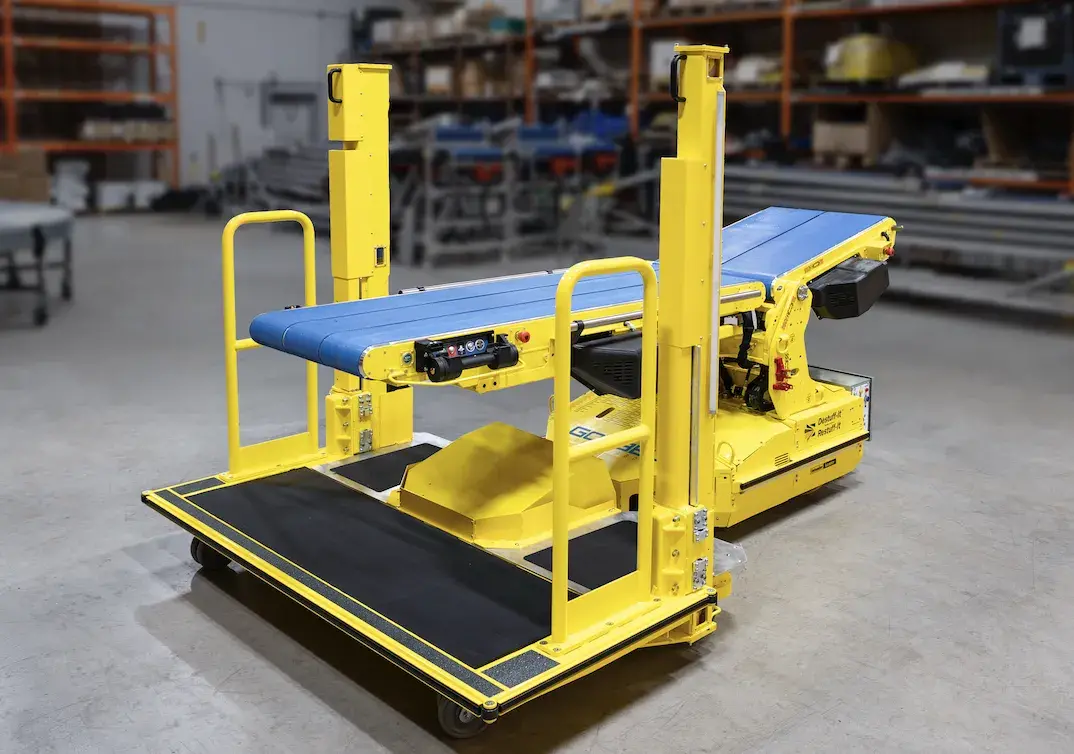
In the dairy sector, the quality of IPP pallets is key!
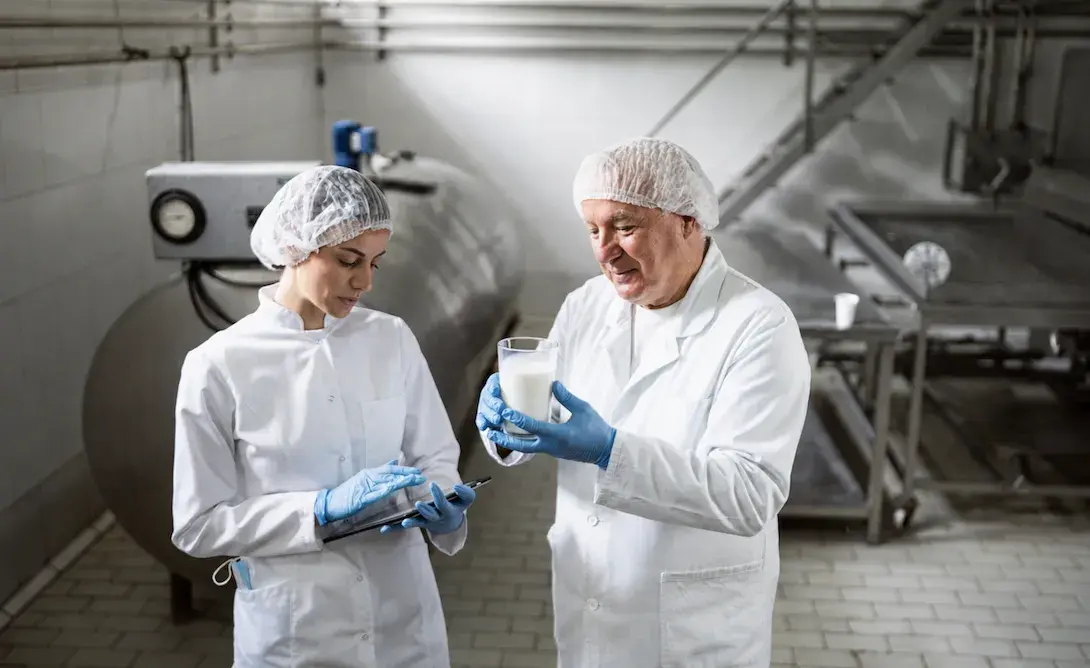
Milk consumption is declining slightly in France, but remains very dynamic internationally, particularly in emerging countries. A major user of wooden pallets, the dairy sector demands very high quality standards. And the stakes are high: meeting the growing demands of increasingly automated distribution chains. In this context, IPP's rental pallet service is emerging as a key partner for industry players.
The milk market is evolving at two speeds. In France, consumption is declining slightly, between 1.5% and 3% depending on the year, due to new eating habits and the decline of traditional breakfasts among younger generations. Globally, demand is increasing, driven by population growth and the urbanization of emerging countries. Despite these contrasting trends, milk remains an everyday product, consumed in large quantities and distributed continuously. The sector relies on a local model, deeply rooted in dairy regions, where proximity between production, processing, and distribution remains essential.
A supply chain under constraints
This organization relies on a dense and demanding supply chain . Milk is packaged in a multitude of increasingly varied formats: 20 cl, 50 cl, and 1-liter bottles, slim or standard cartons… more than a dozen different product lines must be palletized with perfect stability. In this context, handling equipment becomes a key factor in performance.
Automation reinforces the requirement for quality
The automation of large retail warehouses further reinforces this requirement. Modern systems, such as automated storage and retrieval systems (AS/RS) or automated depalletizing lines, instantly detect the slightest non- conformity. A slightly warped pallet, a damaged board, or an irregular height is enough to trigger automatic rejection . These non- conformities generate delays, disputes, and financial penalties, and can even lead to a complete production shutdown, directly impacting the continuity of milk collection all the way to the end customer. The pallet is therefore no longer a simple logistical support: it becomes an essential guarantor of the fluidity of flows and operational performance.
Why are dairy leaders switching to the IPP leasing model?
It is to address these challenges that many dairy manufacturers are switching to the leasing model offered by IPP:
- The primary reason is quality. Many companies still sort their pallets themselves, tying up significant resources and creating tension with carriers. With IPP, quality is consistent, controlled, and compatible with the demands of automation, thanks to a network of repair centers located close to industry players. This reliability reduces disputes and secures warehouse operations.
- The second reason is linked to the expectations of large retailers. Faced with the increasing use of automated systems, distributors demand flawless pallets. IPP's rental model simplifies exchanges, reduces waste, and improves business relationships.
- The third reason is environmental: the IPP rental pallet system is based on a circular model founded on reuse, repair, and extending the lifespan of the materials. It aligns perfectly with manufacturers' CSR objectives and regulatory developments such as PPWR.
Already adopted by industry leaders, this model has become central to the dairy supply chain. It offers operational peace of mind, allowing teams to focus on a single objective: optimizing performance.
Dans la même catégorie
La Poste and Aroma-Zone launch an experiment for the return of reusable delivery packaging
REP: IPP obtains “individual system” approval